EnviTrace

AI software and services for energy and environmental solutions

HomeBlogVideosSupportNewsletterSaaSTerms
© 2025 EnviTrace LLC. All rights reserved. Text, artwork, animations, videos, and images are exclusive property of EnviTrace LLC.
EnvitraceEnvitrace Logo
LAPIS Logo

Crack the code

LAPIS leverages class-leading geoscience, AI, and their fusion to forecast induced seismicity and deformation effects for enhanced geothermal development.

LAPIS Logo

Our science

Physics‑Informed AI for Geothermal

We combine state‑of‑the‑art machine learning with rigorous physics and high‑fidelity seismic and injection data to deliver accurate, actionable forecasts for geothermal development.

LAPIS Superfigure

SeisDB: Extraordinary Data Quality

AI is only as good as its training data. Our one‑of‑a‑kind SeisDB platform merges detailed seismological and injection monitoring across space and time, enabling class‑leading projections.

Beyond the Cutting Edge of Physics‑Informed AI

We don't just "use" AI—we extend its boundaries. Our team advances the forefront of physics‑informed AI with fine‑tuned, validated models engineered for critical infrastructure.

Interpretable, Defensible, Robust

No mysterious black boxes. We provide interpretable, defensible forecasts, quantify uncertainties precisely, and communicate recommendations with transparency and confidence.

Ready to take your geothermal to new depths?

Partner with us to deploy LAPIS on your assets, accelerate development, and de‑risk operations with physics‑grounded AI.

Team
LAPIS Logo

Get Seismic Insights

Be an early adopter!

We are offering consulting services and software to early-adopters.
Team
LAPIS Logo

Our current

Cloud Dashboard

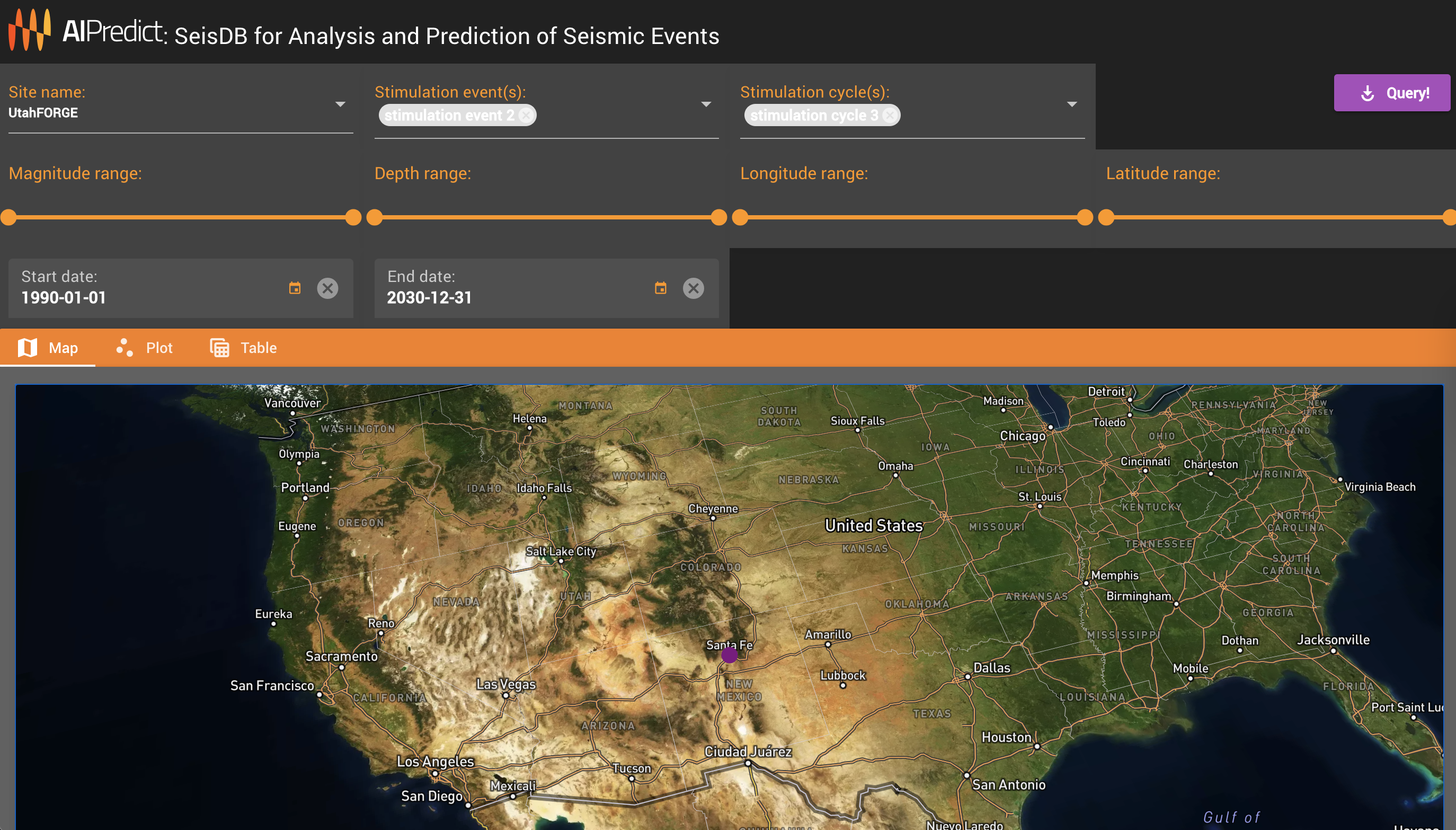
Checkout the functionality of our evolving software and its capabilities. Your feedback is welcome.
Related publications

  • Automatic speech recognition predicts contemporaneous earthquake fault displacement (2025) — Christopher W. Johnson, Kun Wang, Paul A. Johnson — Nature Communications
    Abstract
    Abstract Significant progress has been made in probing the state of an earthquake fault by applying machine learning to continuous seismic waveforms. The breakthroughs were originally obtained from laboratory shear experiments and numerical simulations of fault shear, then successfully extended to slow-slipping faults. Here we apply the Wav2Vec-2.0 self-supervised framework for automatic speech recognition to continuous seismic signals emanating from a sequence of moderate magnitude earthquakes during the 2018 caldera collapse at the Kīlauea volcano on the island of Hawai’i. We pre-train the Wav2Vec-2.0 model using caldera seismic waveforms and augment the model architecture to predict contemporaneous surface displacement during the caldera collapse sequence, a proxy for fault displacement. We find the model displacement predictions to be excellent. The model is adapted for near-future prediction information and found hints of prediction capability, but the results are not robust. The results demonstrate that earthquake faults emit seismic signatures in a similar manner to laboratory and numerical simulation faults, and artificial intelligence models developed for encoding audio of speech may have important applications in studying active fault zones.
  • Deep learning to predict time to failure of lab foreshocks and earthquakes from fault zone raw acoustic emissions (2024) — Laura Laurenti et al. — EGU General Assembly Conference Abstracts, 14239, 2024
    Abstract
    Earthquake forecasting and prediction are going through achievements in short-term early warning systems, hazard assessment of natural and human-induced seismicity, and prediction of laboratory earthquakes.In laboratory settings, frictional stick-slip events serve as an analog for the complete seismic cycle. These experiments have been pivotal in comprehending the initiation of failure and the dynamics of earthquake rupture. Additionally, lab earthquakes present optimal opportunities for the application of machine learning (ML) techniques, as they can be generated in long sequences and with variable seismic cycles under controlled conditions. Indeed, recent ML studies demonstrate the predictability of labquakes through acoustic emissions (AE). In particular, Time to Failure (TTF) (defined as the time remaining before the next main labquake and retrieved from recorded shear stress) has been predicted for the main lab-event considering simple AE features as the variance.A step forward in the state of the art is the prediction of Time To Failure (TTF) by using raw AE waveforms. Here we use deep learning (DL) to predict not only the TTF of the mainshock with raw AE time series but also the TTF of all the labquakes, foreshocks or aftershocks, above a certain amplitude. This is a great finding for several reasons, mainly: 1) we can predict TTF by using traces that don’t contain EQ (but only noise); 2) we can improve our knowledge of seismic cycle predicting also TTF of foreshocks and aftershocks.This work is promising and opens new opportunities for the study of natural earthquakes just by analyzing the continuous raw seismogram. In general laboratory data studies underscore the significance of subtle deformation signals and intricate patterns emanating from slipping and/or locked faults before major earthquakes. Insights gained from laboratory experiments, coupled with the exponential growth in seismic data recordings worldwide, are diving into a new era of earthquake comprehension.
  • On the Anatomy of Acoustic Emission (2024) — Robert A. Guyer et al. — The Journal of the Acoustical Society of America 156 (6), 4116-4122, 2024
    Abstract
    Abrupt frictional fault failure is normally accompanied by acoustic emission (AE)—impulsive elastic wave broadcast—with amplitude proportional to particle velocity. The cumulative sum of the fault particle velocities is a slip displacement.In laboratory shear experiments described here, measurements of a sequence of laboratory earthquakes includes local measurement of fault displacement and AE. Using these measurements we illuminate the connections between “cumulative sum of AE” and “slip displacement“. Additionally, the composition of the AE broadcasts reveals inhomogeneity in the fault mechanical structure from which they arise. This inhomogeneity, leading to a time invariant white AE component and an articulated AE, indicates that the articulated cumulative sum of the AE reveals a fault “state of the mechanical structure” diagnostic, that follows a distinctive pattern to frictional failure. This pattern explains why the continuous AE map to fault displacement as well as fault friction, shear stress, etc., as shown in many recent studies.
  • Seismic Features Predict Ground Motions During Repeating Caldera Collapse Sequence (2024) — Christopher W. Johnson, Paul A. Johnson — Geophysical Research Letters
    Abstract
    Abstract Applying machine learning to continuous acoustic emissions, signals previously deemed noise, from laboratory faults and slowly slipping subduction‐zone faults, demonstrates hidden signatures are emitted that describe physical details, including fault displacement and friction. However, no evidence currently exists to demonstrate that similar hidden signals occur during seismogenic stick‐slip on earthquake faults—the damaging earthquakes of most societal interest. We show that continuous seismic emissions emitted during the 2018 multi‐month caldera collapse sequence at the Kı̄lauea volcano in Hawai'i contain hidden signatures characterizing the earthquake cycle. Multi‐spectral data features extracted from 30 s intervals of the continuous seismic emission are used to train a gradient boosted tree regression model to predict the GNSS‐derived contemporaneous surface displacement and time‐to‐failure of the upcoming collapse event. This striking result suggests that at least some faults emit such signals and provide a potential path to characterizing the instantaneous and future behavior of earthquake faults.
  • Earthquake fault slip and nonlinear dynamics (2023) — Paul A. Johnson, Chris W. Johnson — The Journal of the Acoustical Society of America
    Abstract
    Earthquake fault slip under shear forcing can be envisioned as a nonlinear dynamical process dominated by a single slip plane. In contrast, nonlinear behavior in Earth materials (e.g., rock) is driven by a strain-induced ensemble activation and slip of a large number of distributed features—cracks and grain boundary slip across many scales in the volume. The bulk recovery of a fault post-failure and that of a rock sample post dynamic or static forcing (”aging” or the “slow dynamics”) is very similar with approximate log(time) dependence for much of the recovery. In our work, we analyze large amounts of continuous acoustic emission (AE) data from a laboratory “earthquake machine,” applying machine learning, with the task of determining what information regarding fault slip the AE signal may carry. Applying the continuous AE as input to machine learning models and using measured fault friction, displacement, etc., as model labels, we find that the AE are imprinted with information regarding the fault friction and displacement. We are currently developing approaches to probe stick-slip on Earth faults, those that are responsible for damaging earthquakes. A related goal is to quantitatively relate nonlinear elastic theory (e.g., PM space, Arrhenius) to frictional theory (e.g., rate-state).
  • Mapping glacier basal sliding applying machine learning (2023) — Josefine Umlauft et al. — Journal of Geophysical Research: Earth Surface 128 (11), e2023JF007280, 2023
    Abstract
    During the RESOLVE project ("High-resolution imaging in subsurface geophysics: development of a multi-instrument platform for interdisciplinary research"), continuous surface displacement and seismic array observations were obtained on Glacier d'Argentière in the French Alps for 35 days during May in 2018. This unique data set offers the chance to perform a detailed, local study of targeted processes within the highly dynamic cryospheric environment. In particular, the physical processes controlling glacial basal motion are poorly understood and remain challenging to observe directly. Especially in the Alpine region for temperate based glaciers where the ice rapidly responds to changing climatic conditions and thus, processes are strongly intermittent in time and heterogeneous in space. Spatially dense seismic and GPS measurements are analyzed with machine learning techniques to gain insight into the underlying processes controlling glacial motions of Glacier d'Argentière.Using multiple bandpass-filtered copies of the continuous seismic waveforms, we compute energy-based features, develop a matched field beamforming catalogue and include meteorological observations.Features describing the data are analyzed with a gradient boosting decision tree model to directly estimate the GPS displacements from the seismic records.We posit that features of the seismic noise provide direct access to the dominant parameters that drive displacement on the highly variable and unsteady surface of the glacier. The machine learning model infers daily fluctuations as well as longer term trends and the results show on-ice displacement rates are strongly modulated by activity at the base of the glacier. The techniques presented provide a new approach to study glacial basal sliding and discover its full complexity.
  • Mapping glacier basal sliding with machine learning (2023) — Josefine Umlauft et al. — EarthArXiv, 2023
    Abstract
    During the RESOLVE project ("High-resolution imaging in subsurface geophysics: development of a multi-instrument platform for interdisciplinary research"), continuous surface displacement and seismic array observations were obtained on Glacier d'Argentière in the French Alps for 35 days in May 2018. The data set is used to perform a detailed study of targeted processes within the highly dynamic cryospheric environment. In particular, the physical processes controlling glacial basal motion are poorly understood and remain challenging to observe directly.Especially in the Alpine region for temperate based glaciers where the ice rapidly responds to changing climatic conditions and thus, processes are strongly intermittent in time and heterogeneous in space. Spatially dense seismic and GPS measurements are analyzed applying machine learning to gain insight into the processes controlling glacial motions of Glacier d'Argentière.Using multiple bandpass-filtered copies of the continuous seismic waveforms, we compute energy-based features, develop a matched field beamforming catalogue and include meteorological observations.Features describing the data are analyzed with a gradient boosting decision tree model to directly estimate the GPS displacements from the seismic noise.We posit that features of the seismic noise provide direct access to the dominant parameters that drive displacement on the highly variable and unsteady surface of the glacier. The machine learning model infers daily fluctuations and longer term trends. The results show on-ice displacement rates are strongly modulated by activity at the base of the glacier. The techniques presented provide a new approach to study glacial basal sliding and discover its full complexity.
  • Seismic fingerprint predicts ground motions during the 2018 Kilauea collapse sequence (2023) — Christopher Johnson, Paul Johnson
    Abstract
    Abstract Continuous acoustic emissions from laboratory earthquake faults and slowly-slipping subduction zone faults, signals previously deemed to be dominantly noise, are rich with physical details including the fault displacement and friction. However, no evidence currently exists demonstrating that the hidden signals observed in the laboratory and subduction slow-slip occur during seismogenic stick-slip on earthquake faults-the damaging earthquakes of most societal interest. Here, we show that seismic emissions associated with the 2018 caldera collapse at the Kilauea volcano in Hawai'i contain hidden signatures of instantaneous surface displacement and the time-to-failure of the upcoming collapse event. This striking result suggests that at least some faults in Earth emit such signals and provide a potential path to characterizing the instantaneous and future behavior of earthquake faults.
  • Detection of earthquake precursors using neural networks (2022) — Veda Lye Sim Ong et al. — Authorea Preprints, 2022
  • EQDetect: Earthquake phase arrivals and first motion polarity applying deep learning (2022) — Christopher W Johnson, Paul A. Johnson — ESS Open Archive eprints 105, essoar. 10511191, 2022
  • Predicting Future Laboratory Fault Friction Through Deep Learning Transformer Models (2022) — Kun Wang et al. — Geophysical Research Letters
    Abstract
    Abstract Machine learning models using seismic emissions as input can predict instantaneous fault characteristics such as displacement and friction in laboratory experiments, and slow slip in Earth. Here, we address whether the seismic/acoustic emission (AE) from laboratory experiments contains information about future frictional behavior. The approach uses a convolutional encoder‐decoder containing a transformer model in the latent space, similar to models used for natural language processing. We test the model limits using progressively larger AE input time windows and progressively larger output friction time windows. The results demonstrate that very near‐term friction predictions are indeed contained in the AE signal, and predictions are progressively worse farther into the future. The future predictions by the model of impending failure in the near‐term are remarkably robust. This first effort predicting future fault frictional behavior with machine learning will aid in guiding efforts for applications in Earth.
  • Probing Seismogenic Faults with Machine Learning (2022) — Paul A. Johnson, Christopher W. Johnson — 2022 IEEE International Conference on Image Processing (ICIP)
    Abstract
    We analyze continuous seismic data with a variety of classical machine learning (ML) and deep learning (DL) models with the goal of identifying hidden signals connected to the earthquake cycle. In the laboratory, we find that continuous seismic waves originating in the fault zone are imprinted with fundamental information regarding the physics of the fault. Statistics of these low-amplitude, noise-like signals identified with supervised ML approaches can be used to estimate fault friction, fault displacement, and forecast upcoming failure with great accuracy. These results hold true for both stick-slip and slow-slip frictional regimes. Similarly, when we scale the approach to study slow-slip events in the Cascadia subduction zone and the San Andreas Fault, we find that continuous seismic waves contain information about the instantaneous fault displacement at all times. Direct application of these approaches to seismogenic faults in Earth is highly challenging to date. As a result, we are developing more generalized DL approaches where the model is trained on fault simulations and applied to laboratory fault data.
  • Straining to Learn Permeability (2022) — Bryan Euser et al. — EarthArXiv, 2022
    Abstract
    Characterizing fluid flow in a porous material with permeability is fundamental to energy and hydrological applications, yet direct measurements of permeability are very difficult to conduct in situ. However, attending fluid flow through a material are various mechanical responses, e.g., strain fields, acoustic emission. These mechanical responses may hold important clues to the fluid flow in the material, to the permeability. Here we report results from a numerical study of fluid flow in a channel, defined by confining side blocks, that contains a particle bed. For a range of inlet velocities, we study the strain and acoustic emission in the side blocks. Simulations are repeated for different configurations of the particle bed. We find that the observed mechanical response accords with an analytic model of this system, providing promising evidence for using mechanical measurements, particularly strain and acoustic emission, as surrogates for direct measurement of permeability.
  • Temporal earthquake forecasting (2022) — Veda Lye Sim Ong et al. — Authorea Preprints, 2022
  • The temporal limits of predicting fault failure (2022) — Kun Wang et al. — arXiv preprint arXiv:2202.03894, 2022
  • Tremor Waveform Extraction and Automatic Location With Neural Network Interpretation (2022) — Claudia Hulbert et al. — IEEE Transactions on Geoscience and Remote Sensing
    Abstract
    Active faults release tectonic stress imposed by plate motion through a spectrum of slip modes, from slow, aseismic slip, to dynamic, seismic events. Slow earthquakes are often associated with tectonic tremor, nonimpulsive signals that can easily be buried in seismic noise and go undetected. We present a new methodology aimed at improving the detection and location of tremors hidden within seismic noise. After identifying tremors with a classic convolutional neural network (CNN), we rely on neural network attribution to extract core tremor signatures. We observe that the signals resulting from the neural network attribution analysis correspond to a waveform traveling in the Earth’s crust and mantle at wavespeeds consistent with seismological estimates. We then use these waveforms signatures to locate the source of tremors with standard array-based techniques. We apply this method to the Cascadia subduction zone, where we identify tremor patches consistent with existing catalogs. This approach allows us to extract small signals hidden within the noise, and to locate more tremors than in existing catalogs.
  • A convolutional neural network approach to estimate earthquake kinematic parameters from back-projection images (2021) — Marina Corradini et al. — EarthArXiv, 2021
    Abstract
    The retrieval of earthquake finite-fault kinematic parameters after the occurrence of an earthquake is a crucial task in observational seismology. Routinely-used source inversion techniques are challenged by limited data coverage and computational effort, and are subject to a variety of assumptions and constraints that restrict the range of possible solutions. Back-projection (BP) imaging techniques do not need prior knowledge of the rupture extent and propagation, and can track the high-frequency (HF) radiation emitted during the rupture process. While classic source inversion methods work at lower frequencies and return an image of the slip over the fault, the BP method underlines fault areas radiating HF seismic energy. HF radiation is attributed to the spatial and temporal complexity of the rupture process (e.g., slip heterogeneities, changes in rupture speed and in slip velocity). However, the quantitative link between the BP image of an earthquake and its rupture kinematics remains unclear. Our work aims at reducing the gap between the theoretical studies on the generation of HF radiation due to earthquake complexity and the observation of HF emissions in BP images. To do so, we proceed in two stages, in each case analyzing synthetic rupture scenarios where the rupture process is fully known. We first investigate the influence that spatial heterogeneities in slip and rupture velocity have on the rupture process and its radiated wave field using the BP technique. We simulate different rupture processes using a 1D line source model. For each rupture model, we calculate synthetic seismograms at three teleseismic arrays and apply the BP technique to identify the sources of HF radiation. This procedure allows us to compare the BP images with the causative rupture, and thus to interpret HF emissions in terms of along-fault variation of the three kinematic parameters controlling the synthetic model: rise time, final slip, rupture velocity. Our results show that the HF peaks retrieved from BP analysis are better associated with space-time heterogeneities of slip acceleration. We then build on these findings by testing whether one can retrieve the kinematic rupture parameters along the fault using information from the BP image alone. We apply a machine learning, convolutional neural network (CNN) approach to the BP images of a large set of simulated 1D rupture processes to assess the ability of the network to retrieve from the progression of HF emissions in space and time the kinematic parameters of the rupture. These rupture simulations include along-strike heterogeneities whose size is variable and within which the parameters of rise-time, final slip, and rupture velocity change from the surrounding rupture. We show that the CNN trained on 40,000 pairs of BP images and kinematic parameters returns excellent predictions of the rise time and the rupture velocity along the fault, as well as good predictions of the central location and length of the heterogeneous segment. Our results also show that the network is insensitive towards the final slip value, as expected from a theoretical standpoint.
  • Attention Network Forecasts Time‐to‐Failure in Laboratory Shear Experiments (2021) — Hope Jasperson et al. — Journal of Geophysical Research: Solid Earth
    Abstract
    Abstract Rocks under stress deform by creep mechanisms that include formation and slip on small‐scale internal cracks. Intragranular cracks and slip along grain contacts release energy as elastic waves termed acoustic emissions (AE). AEs are thought to contain predictive information that can be used for fault failure forecasting. Here, we present a method using unsupervised classification and an attention network to forecast labquakes using AE waveform features. Our data were generated in a laboratory setting using a biaxial shearing device with granular fault gouge intended to mimic the conditions of tectonic faults. Here, we analyzed the temporal evolution of AEs generated throughout several hundred laboratory earthquake cycles. We used a Conscience Self‐Organizing Map (CSOM) to perform topologically ordered vector quantization based on waveform properties. The resulting map was used to interactively cluster AEs. We examined the clusters over time to identify those with predictive ability. Finally, we used a variety of LSTM and attention‐based networks to test the predictive power of the AE clusters. By tracking cumulative waveform features over the seismic cycle, the network is able to forecast the time‐to‐failure (TTF) of lab earthquakes. Our results show that analyzing the data to isolate predictive signals and using a more sophisticated network architecture are key to robustly forecasting labquakes. In the future, this method could be applied on tectonic faults to monitor earthquakes and augment early warning systems.
  • Deep Learning for Autonomous Extraction of Millimeter-scale Deformation in InSAR Time Series (2021) — Bertrand Rouet-Leduc et al. — Nature communications 12 (1), 6480, 2021
    Abstract
    <p>Systematically characterizing slip behaviours on active faults is key to unraveling the physics of tectonic faulting and the interplay between slow and fast earthquakes. Interferometric Synthetic Aperture Radar (InSAR), by enabling measurement of ground deformation at a global scale every few days, may hold the key to those interactions. <br>However, atmospheric propagation delays often exceed ground deformation of interest despite state-of-the art processing, and thus InSAR analysis requires expert interpretation and a priori knowledge of fault systems, precluding global investigations of deformation dynamics. <br>We show that a deep auto-encoder architecture tailored to untangle ground deformation from noise in InSAR time series autonomously extracts deformation signals, without prior knowledge of a fault's location or slip behaviour.<br>Applied to InSAR data over the North Anatolian Fault, our method reaches  2 mm detection, revealing a slow earthquake twice as extensive as previously recognized.<br>We further explore the generalization of our approach to inflation/deflation-induced deformation, applying the same methodology to the geothermal field of Coso, California. </p>
  • Estimation of the orientation of stress in the Earth’s crust without earthquake or borehole data (2021) — Andrew A. Delorey et al. — Communications Earth & Environment
    Abstract
    Abstract Mechanical stress acting in the Earth’s crust is a fundamental property that is important for a wide range of scientific and engineering applications. The orientation of maximum horizontal compressive stress can be estimated by inverting earthquake source mechanisms and measured directly from borehole-based measurements, but large regions of the continents have few or no observations. Here we present an approach to determine the orientation of maximum horizontal compressive stress by measuring stress-induced anisotropy of nonlinear susceptibility, which is the derivative of elastic modulus with respect to strain. Laboratory and Earth experiments show that nonlinear susceptibility is azimuthally dependent in an anisotropic stress field and is maximum in the orientation of maximum horizontal compressive stress. We observe this behavior in the Earth—in Oklahoma and New Mexico, U.S.A, where maximum nonlinear susceptibility coincides with the orientation of maximum horizontal compressive stress measured using traditional methods. Our measurements use empirical Green’s functions and solid-earth tides and can be applied at different temporal and spatial scales.
  • Laboratory earthquake forecasting: A machine learning competition (2021) — Paul A. Johnson et al. — Proceedings of the National Academy of Sciences
    Abstract
    Earthquake prediction, the long-sought holy grail of earthquake science, continues to confound Earth scientists. Could we make advances by crowdsourcing, drawing from the vast knowledge and creativity of the machine learning (ML) community? We used Google’s ML competition platform, Kaggle, to engage the worldwide ML community with a competition to develop and improve data analysis approaches on a forecasting problem that uses laboratory earthquake data. The competitors were tasked with predicting the time remaining before the next earthquake of successive laboratory quake events, based on only a small portion of the laboratory seismic data. The more than 4,500 participating teams created and shared more than 400 computer programs in openly accessible notebooks. Complementing the now well-known features of seismic data that map to fault criticality in the laboratory, the winning teams employed unexpected strategies based on rescaling failure times as a fraction of the seismic cycle and comparing input distribution of training and testing data. In addition to yielding scientific insights into fault processes in the laboratory and their relation with the evolution of the statistical properties of the associated seismic data, the competition serves as a pedagogical tool for teaching ML in geophysics. The approach may provide a model for other competitions in geosciences or other domains of study to help engage the ML community on problems of significance.
  • Learning the Low Frequency Earthquake Activity on the Central San Andreas Fault (2021) — Christopher W. Johnson, Paul A. Johnson — Geophysical Research Letters
    Abstract
    Abstract Low frequency earthquakes (LFEs) originating below the central San Andreas Fault are associated with slow‐slip beneath the seismogenic zone within the more ductile portion of the crust. Monitoring efforts over 15 years detected >1 million LFEs. We train a gradient boosted tree model using statistical features describing the seismic waveforms to estimate the hourly LFE event count. The burst‐like LFE behavior is reproduced, while lower amplitudes are predicted during the most active periods. The hourly event counts are up to 18% greater than the catalog. The ability to continuously monitor LFE activity provides insight to when geodetic measurements of slow slip are possible, without the need for developing a computational‐intensive template‐matching catalog. Similar waveform statistical features are found between detecting LFEs and tremors, which provides additional evidence tremors are composed of LFEs. The approach extracts information contained in continuous seismic waveforms that might benefit detecting precursory signals.
  • Machine learning to identify geologic factors associated with production in geothermal fields: a case-study using 3D geologic data, Brady geothermal field, Nevada (2021) — Drew L. Siler et al. — Geothermal Energy
    Abstract
    Abstract In this paper, we present an analysis using unsupervised machine learning (ML) to identify the key geologic factors that contribute to the geothermal production in Brady geothermal field. Brady is a hydrothermal system in northwestern Nevada that supports both electricity production and direct use of hydrothermal fluids. Transmissive fluid-flow pathways are relatively rare in the subsurface, but are critical components of hydrothermal systems like Brady and many other types of fluid-flow systems in fractured rock. Here, we analyze geologic data with ML methods to unravel the local geologic controls on these pathways. The ML method, non-negative matrix factorization with k -means clustering (NMF k ), is applied to a library of 14 3D geologic characteristics hypothesized to control hydrothermal circulation in the Brady geothermal field. Our results indicate that macro-scale faults and a local step-over in the fault system preferentially occur along production wells when compared to injection wells and non-productive wells. We infer that these are the key geologic characteristics that control the through-going hydrothermal transmission pathways at Brady. Our results demonstrate: (1) the specific geologic controls on the Brady hydrothermal system and (2) the efficacy of pairing ML techniques with 3D geologic characterization to enhance the understanding of subsurface processes.
  • Measuring SHmax with Stress-Induced Anisotropy in Nonlinear Anelastic Behavior (2021) — Andrew Delorey et al.
    Abstract
    Abstract Mechanical stress acting in the Earth`s crust is a fundamental property that has a wide range of geophysical applications, from tectonic movements to energy production. The orientation of maximum horizontal compressive stress, S Hmax can be estimated by inverting earthquake source mechanisms and directly from borehole-based measurements, but large regions of the continents have few or no observations. Available observations often represent a variety of length scales and depths, and can be difficult to reconcile. Here we present a new approach to determine S Hmax by measuring stress induced anisotropy of nonlinear susceptibility. We observe that nonlinear susceptibility is azimuthally dependent in the Earth and maximum when parallel to S Hmax , as predicted by laboratory experiments. Our measurements use empirical Green’s functions that are applicable for different temporal and spatial scales. The method can quantify the orientation of S Hmax in regions where no measurements exist today.
  • Predicting fault slip via transfer learning (2021) — Kun Wang et al. — Nature Communications
    Abstract
    Abstract Data-driven machine-learning for predicting instantaneous and future fault-slip in laboratory experiments has recently progressed markedly, primarily due to large training data sets. In Earth however, earthquake interevent times range from 10’s-100’s of years and geophysical data typically exist for only a portion of an earthquake cycle. Sparse data presents a serious challenge to training machine learning models for predicting fault slip in Earth. Here we describe a transfer learning approach using numerical simulations to train a convolutional encoder-decoder that predicts fault-slip behavior in laboratory experiments. The model learns a mapping between acoustic emission and fault friction histories from numerical simulations, and generalizes to produce accurate predictions of laboratory fault friction. Notably, the predictions improve by further training the model latent space using only a portion of data from a single laboratory earthquake-cycle. The transfer learning results elucidate the potential of using models trained on numerical simulations and fine-tuned with small geophysical data sets for potential applications to faults in Earth.
  • Probing the Damage Zone at Parkfield (2021) — Andrew A. Delorey et al. — Geophysical Research Letters
    Abstract
    Abstract Rocks are heterogeneous materials that exhibit nonlinear elastic (anelastic) behavior at scales ranging from the laboratory to Earth. In the laboratory, typical, complex relationships exist between stress and strain that include hysteresis, finite relaxation times, strain rate, and history dependence. These behaviors are linked to important characteristics such as stress, porosity, permeability, material integrity, and material failure. We adopted a “pump‐probe” type experiment common in laboratory studies, using solid earth tides as the low‐frequency pump and empirical Green's function as the high‐frequency probe. By probing the velocity at different points in the pump cycle, we constrained important information about the strain‐modulus relationship. Near the San Andreas Fault, we observed strongly nonlinear elastic behavior that characterizes the damage zone. We also constrained important aspects of hysteretic behavior that are related to damage properties and possibly pore pressure. Away from the fault, the nonlinear behavior is diminished.
  • Probing the damage zone on the San Andreas Fault at Parkfield (2021) — Andrew Delorey, Paul Johnson — EGU General Assembly Conference Abstracts, EGU21-10926, 2021
    Abstract
    <p>Rocks are heterogeneous materials that exhibit nonlinear elastic (anelastic) behavior in both the laboratory and Earth. In the laboratory, investigators have observed complex relationships between stress and strain that include hysteresis, finite relaxation times, and rate and stress path dependence.  These behaviors are linked to stress, porosity, permeability, material integrity and material failure, many of the characteristics we care about in the upper crust.  A limited number of studies in the Earth have confirmed that nonlinear elasticity can be measured in situ, but due to logistical challenges these investigations have not achieved the full potential of what can ultimately be learned from this type of investigation.  We adapted a ‘pump-probe’ type experiment common in laboratory studies, using solid earth tides as the low frequency pump and empirical Green’s function as the high frequency probe.  By probing the velocity at different points in the pump cycle, we constrain some important information about the stress-strain relationship.  Near the San Andreas Fault, we observe strongly nonlinear elastic behavior that increases with decreasing distance to the fault that characterizes the damage zone.  We also constrain important aspects of hysteretic behavior that are related to damage properties and possibly pore pressure.</p>
  • The Seismic Noise is the Signal: Applying Machine Learning to Earthquake Forecasting (2021) — Christopher Johnson, Paul Johnson — Los Alamos National Laboratory (LANL), Los Alamos, NM (United States), 2021
  • Tremor Waveform Denoising and Automatic Location with Neural Network Interpretation (2021) — Claudia Hulbert et al. — arXiv preprint arXiv:2012.13847, 2020
    Abstract
    <p>Active faults release tectonic stress imposed by plate motion through a spectrum of slip modes, from slow, aseismic slip, to dynamic, seismic events. Slow earthquakes are often associated with tectonic tremor, non-impulsive signals that can easily be buried in seismic noise and go undetected. </p><p>We present a new methodology aimed at improving the detection and location of tremors hidden within seismic noise. After detecting tremors with a classic convolutional neural network, we rely on neural network attribution to extract core tremor signatures. By identifying and extracting tremor characteristics, in particular in the frequency domain, the attribution analysis allows us to uncover structure in the data and denoise input waveforms. In particular, we show that these cleaned signals correspond to a waveform traveling in the Earth's crust and mantle at wavespeeds consistent with local estimates. We then use these cleaned waveforms to locate tremors with standard array-based techniques. </p><p>We apply this method to the Cascadia subduction zone. We analyze a slow slip event that occurred in 2018 below the southern end of the Vancouver Island, Canada, where we identify tremor patches consistent with existing catalogs. Having validated our new methodology in a well-studied area, we further apply it to various tectonic contexts and discuss the implications of tremor occurrences in the scope of exploring the interplay between seismic and aseismic slip.</p>
  • An exponential build-up in seismic energy suggests a months-long nucleation of slow slip in Cascadia (2020) — Claudia Hulbert et al. — Nature Communications
    Abstract
    Abstract Slow slip events result from the spontaneous weakening of the subduction megathrust and bear strong resemblance to earthquakes, only slower. This resemblance allows us to study fundamental aspects of nucleation that remain elusive for classic, fast earthquakes. We rely on machine learning algorithms to infer slow slip timing from statistics of seismic waveforms. We find that patterns in seismic power follow the 14-month slow slip cycle in Cascadia, arguing in favor of the predictability of slow slip rupture. Here, we show that seismic power exponentially increases as the slowly slipping portion of the subduction zone approaches failure, a behavior that shares a striking similarity with the increase in acoustic power observed prior to laboratory slow slip events. Our results suggest that the nucleation phase of Cascadia slow slip events may last from several weeks up to several months.
  • Imaging Stress and Faulting Complexity Through Earthquake Waveform Similarity (2020) — Daniel T. Trugman, Zachary E. Ross, Paul A. Johnson — Geophysical Research Letters
    Abstract
    Abstract While the rupture processes of nearby earthquakes are often highly similar, characterizing the differences can provide insight into the complexity of the stress field and fault network in which the earthquakes occur. Here we perform a comprehensive analysis of earthquake waveform similarity to characterize rupture processes in the vicinity of Ridgecrest, California. We quantify how similar each earthquake is to neighboring events through cross correlation of full waveforms. The July 2019 Ridgecrest mainshocks impose a step reduction in earthquake similarity, which suggests variability in the residual stress field and activated fault structures on length scales of hundreds of meters or less. Among these aftershocks, we observe coherent spatial variations of earthquake similarity along the mainshock rupture trace, and document antisimilar aftershock pairs with waveforms that are nearly identical but with reversed polarity. These observations provide new, high‐resolution constraints on stress transfer and faulting complexity throughout the Ridgecrest earthquake sequence.
  • Machine learning and fault rupture: a review (2020) — Christopher Ren et al. — Advances in Geophysics 61, 57-107, 2020
    Abstract
    Geophysics has historically been a data-driven field, however in recent years the exponential increase of available data has lead to increased adoption of machine learning techniques and algorithm for analysis, detection and forecasting applications to faulting. This work reviews recent advances in the application of machine learning in the study of fault rupture ranging from the laboratory to Solid Earth.
  • Machine Learning Reveals the Seismic Signature of Eruptive Behavior at Piton de la Fournaise Volcano (2020) — C. X. Ren et al. — Geophysical Research Letters
    Abstract
    Abstract Volcanic tremor is key to our understanding of active magmatic systems, but due to its complexity, there is still a debate concerning its origins and how it can be used to characterize eruptive dynamics. In this study we leverage machine learning techniques using 6 years of continuous seismic data from the Piton de la Fournaise volcano (La Réunion island) to describe specific patterns of seismic signals recorded during eruptions. These results unveil what we interpret as signals associated with various eruptive dynamics of the volcano, including the effusion of a large volume of lava during the August–October 2015 eruption as well as the closing of the eruptive vent during the September–November 2018 eruption. The machine learning workflow we describe can easily be applied to other active volcanoes, potentially leading to an enhanced understanding of the temporal and spatial evolution of volcanic eruptions.
  • Plate motion in sheared granular fault system (2020) — Ke Gao et al. — Earth and Planetary Science Letters
  • Probing Slow Earthquakes With Deep Learning (2020) — Bertrand Rouet‐Leduc et al. — Geophysical Research Letters
    Abstract
    Abstract Slow earthquakes may trigger failure on neighboring locked faults that are stressed sufficiently to break, and slow slip patterns may evolve before a nearby great earthquake. However, even in the clearest cases such as Cascadia, slow earthquakes and associated tremor have only been observed in intermittent and discrete bursts. By training a convolutional neural network to detect known tremor on a single seismic station in Cascadia, we isolate and identify tremor and slip preceding and following known larger slow events. The deep neural network can be used for the detection of quasi‐continuous tremor, providing a proxy that quantifies the slow slip rate. Furthermore, the model trained in Cascadia recognizes tremor in other subduction zones and also along the San Andreas Fault at Parkfield, suggesting a universality of waveform characteristics and source processes, as posited from experiments and theory.
  • Seasonal and Coseismic Velocity Variation in the Region of L'Aquila From Single Station Measurements and Implications for Crustal Rheology (2020) — Piero Poli et al. — Journal of Geophysical Research: Solid Earth
    Abstract
    Abstract We performed measurements of velocity variations for variable coda waves time lapse using empirical Green's functions reconstructed by autocorrelation of seismic noise recorded during a period of 17 years in the region of L'Aquila, Italy. The time lapse approach permitted us to evaluate the spatial (depth) dependence of velocity variation (dv/v). By quantitatively comparing the 17 years of dv/v time series with independent data (e.g., strain induced by earthquakes and hydrological loading), we unravel a group of physical processes inducing velocity variations in the crust over multiple time and spatial scales. We find that rapid shaking due to three magnitude 6+ earthquakes mainly induced near surface velocity variations. On the other hand, slow strain perturbation (period 5 years, in the preseismic period) associated with hydrological cycles, induced velocity changes primarily in the middle crust. The observed behavior suggests the existence of a large volume of fluid‐filled cracks exist deep in the crust. Our study highlights the possibility of using seasonal and multiyear perturbations to probe the physical properties of seismogenic fault volumes and shed new light into the depth‐dependent rheology of crustal rocks in the region or L'Aquila.
  • The Spatiotemporal Evolution of Granular Microslip Precursors to Laboratory Earthquakes (2020) — Daniel T. Trugman et al. — Geophysical Research Letters
    Abstract
    Abstract Laboratory earthquake experiments provide important observational constraints for our understanding of earthquake physics. Here we leverage continuous waveform data from a network of piezoceramic sensors to study the spatial and temporal evolution of microslip activity during a shear experiment with synthetic fault gouge. We combine machine learning techniques with ray theoretical seismology to detect, associate, and locate tens of thousands of microslip events within the gouge layer. Microslip activity is concentrated near the center of the system but is highly variable in space and time. While microslip activity rate increases as failure approaches, the spatiotemporal evolution can differ substantially between stick‐slip cycles. These results illustrate that even within a single, well‐constrained laboratory experiment, the dynamics of earthquake nucleation can be highly complex.
  • DeepDetect: A Cascaded Region-Based Densely Connected Network for Seismic Event Detection (2019) — Yue Wu et al. — IEEE Transactions on Geoscience and Remote Sensing
    Abstract
    Automatic event detection from time series signals has broad applications. Traditional detection methods detect events primarily by the use of similarity and correlation in data. Those methods can be inefficient and yield low accuracy. In recent years, machine learning techniques have revolutionized many sciences and engineering domains. In particular, the performance of object detection in a 2-D image data has significantly improved due to deep neural networks. In this paper, we develop a deep-learning-based detection method, called “DeepDetect,” to detect events from seismic signals. We find that the direct adaptation of similar ideas from 2-D object detection to our problem faces two challenges. The first challenge is that the duration of earthquake event varies significantly; the other is that the proposals generated are temporally correlated. To address these challenges, we propose a novel cascaded region-based convolutional neural network to capture earthquake events in different sizes while incorporating contextual information to enrich features for each proposal. To achieve a better generalization performance, we use densely connected blocks as the backbone of our network. Because some positive events are not correctly annotated, we further formulate the detection problem as a learning-from-noise problem. To verify the performance, we employ the seismic data generated from the Pennsylvania State University Rock and Sediment Mechanics Laboratory, and we acquire labels with the help of experts. We show that our techniques yield high accuracy. Therefore, our novel deep-learning-based detection methods can potentially be powerful tools for identifying events from the time series data in various applications.
  • Earthquake Detection in 1D Time‐Series Data with Feature Selection and Dictionary Learning (2019) — Zheng Zhou et al. — Seismological Research Letters
    Abstract
    Earthquakes can be detected by matching spatial patterns or phase properties from 1-D seismic waves. Current earthquake detection methods, such as waveform correlation and template matching, have difficulty detecting anomalous earthquakes that are not similar to other earthquakes. In recent years, machine-learning techniques for earthquake detection have been emerging as a new active research direction. In this paper, we develop a novel earthquake detection method based on dictionary learning. Our detection method first generates rich features via signal processing and statistical methods and further employs feature selection techniques to choose features that carry the most significant information. Based on these selected features, we build a dictionary for classifying earthquake events from non-earthquake events. To evaluate the performance of our dictionary-based detection methods, we test our method on a labquake dataset from Penn State University, which contains 3,357,566 time series data points with a 400 MHz sampling rate. 1,000 earthquake events are manually labeled in total, and the length of these earthquake events varies from 74 to 7151 data points. Through comparison to other detection methods, we show that our feature selection and dictionary learning incorporated earthquake detection method achieves an 80.1% prediction accuracy and outperforms the baseline methods in earthquake detection, including Template Matching (TM) and Support Vector Machine (SVM).
  • From Stress Chains to Acoustic Emission (2019) — Ke Gao et al. — Physical Review Letters
    Abstract
    A numerical scheme using the combined finite-discrete element method is employed to study a model of an earthquake system comprising a granular layer embedded in a formation. When the formation is driven so as to shear the granular layer, a system of stress chains emerges. The stress chains endow the layer with resistance to shear and on failure launch broadcasts into the formation. These broadcasts, received as acoustic emission, provide a remote monitor of the state of the granular layer of the earthquake system.
  • Machine Learning Reveals the Seismic Signature of Eruptive Behavior at Piton de la Fournaise Volcano (2019) — Christopher Ren et al. — AGU Fall Meeting Abstracts 2019, S53A-05, 2019
  • Pairwise Association of Seismic Arrivals with Convolutional Neural Networks (2019) — Ian W. McBrearty, Andrew A. Delorey, Paul A. Johnson — Seismological Research Letters
    Abstract
    Correctly determining the association of seismic phases across a network is crucial for developing accurate earthquake catalogs. Nearly all established methods use travel-time information as the main criterion for determining associations, and in problems in which earthquake rates are high and many false arrivals are present, many standard techniques may fail to resolve the problem accurately. As an alternative approach, in this work we apply convolutional neural networks (CNNs) to the problem of associations; we train CNNs to read earthquake waveform arrival pairs between two stations and predict the binary classification of whether the two waveforms are from a common source or different sources. Applying the method to a large training dataset of previously cataloged earthquakes in Chile, we obtain > 80% true positive prediction rates for high-frequency data ( > 2 Hz ) and stations separated in excess of 100 km. As a secondary benefit, the output of the neural network can also be used to infer predicted phase types of arrivals. The method is ideally applied in conjunction with standard travel-time-based association routines and can be adapted for arbitrary network geometries and applications, so long as sufficient training data are available.
  • Earthquake Catalog‐Based Machine Learning Identification of Laboratory Fault States and the Effects of Magnitude of Completeness (2018) — Nicholas Lubbers et al. — Geophysical Research Letters
    Abstract
    Abstract Machine learning regression can predict macroscopic fault properties such as shear stress, friction, and time to failure using continuous records of fault zone acoustic emissions. Here we show that a similar approach is successful using event catalogs derived from the continuous data. Our methods are applicable to catalogs of arbitrary scale and magnitude of completeness. We investigate how machine learning regression from an event catalog of laboratory earthquakes performs as a function of the catalog magnitude of completeness. We find that strong model performance requires a sufficiently low magnitude of completeness, and below this magnitude of completeness, model performance saturates.
  • Evolution of b-value during the seismic cycle: Insights from laboratory experiments on simulated faults (2018) — J. Rivière et al. — Earth and Planetary Science Letters
  • Nonnegative Matrix Factorization for identification of unknown number of sources emitting delayed signals (2018) — Filip L. Iliev et al. — PLOS ONE
    Abstract
    Factor analysis is broadly used as a powerful unsupervised machine learning tool for reconstruction of hidden features in recorded mixtures of signals. In the case of a linear approximation, the mixtures can be decomposed by a variety of model-free Blind Source Separation (BSS) algorithms. Most of the available BSS algorithms consider an instantaneous mixing of signals, while the case when the mixtures are linear combinations of signals with delays is less explored. Especially difficult is the case when the number of sources of the signals with delays is unknown and has to be determined from the data as well. To address this problem, in this paper, we present a new method based on Nonnegative Matrix Factorization (NMF) that is capable of identifying: (a) the unknown number of the sources, (b) the delays and speed of propagation of the signals, and (c) the locations of the sources. Our method can be used to decompose records of mixtures of signals with delays emitted by an unknown number of sources in a nondispersive medium, based only on recorded data. This is the case, for example, when electromagnetic signals from multiple antennas are received asynchronously; or mixtures of acoustic or seismic signals recorded by sensors located at different positions; or when a shift in frequency is induced by the Doppler effect. By applying our method to synthetic datasets, we demonstrate its ability to identify the unknown number of sources as well as the waveforms, the delays, and the strengths of the signals. Using Bayesian analysis, we also evaluate estimation uncertainties and identify the region of likelihood where the positions of the sources can be found.
  • Nonlinear acoustics evaluation of CO2 exposed sandstone (2017) — James Bittner et al. — The Journal of the Acoustical Society of America
    Abstract
    In an effort to better understand the hygro-thermo-mechanical behavior of geologic CO2 reservoir material, we investigate the non-linear behavior of elastic wave propagation in Berea sandstone samples, which are used as a standard for reservoir rock formations. Nonlinear characterization methods, including resonant ultrasound spectroscopy (RUS), dynamic acousto-elasticity (DAET), and single-impact nonlinear resonance techniques, are applied to pristine, damaged (distributed microfractures), and CO2 injected Berea samples; conventional linear vibrational and wave propagation measurements are also applied to the samples. The results of these sensitive test methods are compared to reveal the characteristics of geologic reservoir materials that are most affected by varying microstructural and environmental conditions. An analysis of the work also leads to potential bases for test methods that could be deployed in the field in the future to monitor the condition of reservoir formations and lead to better understanding of CO2 injection-induced seismic events. This work is done within the framework of the GSCO2 center for geologic storage of CO2 from the U.S. department of Energy whose purpose is to better understand CO2 sequestration to make it safer and more efficient. As such the results obtained by elastic waves measurement will also be compared to other testing, providing an insight on the physical origin of the nonlinear behavior of geomaterials.
  • Nonlinear softening of unconsolidated granular earth materials (2017) — Charles Lieou et al. — The Journal of the Acoustical Society of America
    Abstract
    Unconsolidated granular earth materials exhibit softening behavior due to external perturbations such as seismic waves, namely, the wave speed and elastic modulus decrease upon increasing the strain amplitude. In this letter, we describe a theoretical model for such behavior. The model is based on the idea that shear transformation zones (STZs)—clusters of grains that are loose and susceptible to contact changes and rearrangement—are responsible for plastic deformation and softening of the material. We apply the theory to experiments on simulated fault gouge composed of glass beads, and demonstrate that the theory predicts nonlinear resonance shifts and reduction of the P-wave modulus, in agreement with experiments. The theory thus offers insights on the nature of the critical state prior to failure on earthquake faults.
  • On the micromechanics of slip events in sheared, fluid‐saturated fault gouge (2017) — Omid Dorostkar et al. — Geophysical Research Letters
    Abstract
    Abstract We used a three‐dimensional discrete element method coupled with computational fluid dynamics to study the poromechanical properties of dry and fluid‐saturated granular fault gouge. The granular layer was sheared under dry conditions to establish a steady state condition of stick‐slip dynamic failure, and then fluid was introduced to study its effect on subsequent failure events. The fluid‐saturated case showed increased stick‐slip recurrence time and larger slip events compared to the dry case. Particle motion induces fluid flow with local pressure variation, which in turn leads to high particle kinetic energy during slip due to increased drag forces from fluid on particles. The presence of fluid during the stick phase of loading promotes a more stable configuration evidenced by higher particle coordination number. Our coupled fluid‐particle simulations provide grain‐scale information that improves understanding of slip instabilities and illuminates details of phenomenological, macroscale observations.
  • Slow Dynamics and Strength Recovery in Unconsolidated Granular Earth Materials: A Mechanistic Theory (2017) — Charles K. C. Lieou et al. — Journal of Geophysical Research: Solid Earth
    Abstract
    Abstract Rock materials often display long‐time relaxation, commonly termed aging or “slow dynamics,” after the cessation of acoustic perturbations. In this paper, we focus on unconsolidated rock materials and propose to explain such nonlinear relaxation through the shear‐transformation‐zone theory of granular media, adapted for small stresses and strains. The theory attributes the observed relaxation to the slow, irreversible change of positions of constituent grains and posits that the aging process can be described in three stages: fast recovery before some characteristic time associated with the subset of local plastic events or grain rearrangements with a short time scale, log linear recovery of the elastic modulus at intermediate times, and gradual turnover to equilibrium steady state behavior at long times. We demonstrate good agreement with experiments on aging in granular materials such as simulated fault gouge after an external disturbance. These results may provide insights into observed modulus recovery after strong shaking in the near surface region of earthquake zones.
  • Tidal triggering of earthquakes suggests poroelastic behavior on the San Andreas Fault (2017) — Andrew A. Delorey, Nicholas J. van der Elst, Paul A. Johnson — Earth and Planetary Science Letters
  • Constraining depth range of <i>S</i> wave velocity decrease after large earthquakes near Parkfield, California (2016) — Chunquan Wu et al. — Geophysical Research Letters
    Abstract
    Abstract We use noise correlation and surface wave inversion to measure the S wave velocity changes at different depths near Parkfield, California, after the 2003 San Simeon and 2004 Parkfield earthquakes. We process continuous seismic recordings from 13 stations to obtain the noise cross‐correlation functions and measure the Rayleigh wave phase velocity changes over six frequency bands. We then invert the Rayleigh wave phase velocity changes using a series of sensitivity kernels to obtain the S wave velocity changes at different depths. Our results indicate that the S wave velocity decreases caused by the San Simeon earthquake are relatively small (~0.02%) and access depths of at least 2.3 km. The S wave velocity decreases caused by the Parkfield earthquake are larger (~0.2%), and access depths of at least 1.2 km. Our observations can be best explained by material damage and healing resulting mainly from the dynamic stress perturbations of the two large earthquakes.
  • Dynamically triggered slip leading to sustained fault gouge weakening under laboratory shear conditions (2016) — P. A. Johnson et al. — Geophysical Research Letters
    Abstract
    Abstract We investigate dynamic wave‐triggered slip under laboratory shear conditions. The experiment is composed of a three‐block system containing two gouge layers composed of glass beads and held in place by a fixed load in a biaxial configuration. When the system is sheared under steady state conditions at a normal load of 4 MPa, we find that shear failure may be instantaneously triggered by a dynamic wave, corresponding to material weakening and softening if the system is in a critical shear stress state (near failure). Following triggering, the gouge material remains in a perturbed state over multiple slip cycles as evidenced by the recovery of the material strength, shear modulus, and slip recurrence time. This work suggests that faults must be critically stressed to trigger under dynamic conditions and that the recovery process following a dynamically triggered event differs from the recovery following a spontaneous event.
  • Fast and slow nonlinear elastic response of disparate rocks and the influence of moisture (2016) — Jacques Riviere et al. — Journal of the Acoustical Society of America
    Abstract
    We study nonlinear elastic phenomena in rocks at the laboratory scale, with the goal of characterizing and understanding observations at crustal scales, for instance, during strong ground motion and earthquake slip processes. A dynamic perturbation of microstrain amplitude in rocks results in a transient elastic softening followed by a log(t)-type relaxation back to the initial unperturbed elastic modulus as soon as the excitation is removed. Here we use Dynamic Acousto-Elastic Testing (DAET) to investigate the relaxation behavior over 7 orders of magnitude in time (from 10-4s to more than 103s). We find that relaxation starts for all samples between 10-3 and 10-2s. Some samples then exhibit a nearly perfect log(t)-relaxation, implying that no characteristic time can be extracted, while some other samples show a preferential relaxation around 0.1s/1s. Such features appear insensitive to the amplitude of the dynamic perturbation and to the moisture content within the sample. The full nonlinear elastic response (fast dynamics) is also extracted at all amplitudes and moisture content. Adsorption of water on the grains strongly increases the elastic softening during the dynamic perturbation and the non-classical nonlinear features, whereas the classical features seem rather unaffected.
  • Fortnightly modulation of San Andreas tremor and low-frequency earthquakes (2016) — Nicholas J. van der Elst et al. — Proceedings of the National Academy of Sciences
    Abstract
    Significance The sun and moon exert a gravitational tug on Earth that stretches and compresses crustal rocks. This cyclic stressing can promote or inhibit fault slip, particularly at the deep roots of faults. The amplitude of the solid Earth tide varies over a fortnightly (2-wk) cycle, as the sun and moon change their relative positions in the sky. In this study, we show that deep, small earthquakes on the San Andreas Fault are most likely to occur during the waxing fortnightly tide—not when the tidal amplitude is highest, as might be expected, but when the tidal amplitude most exceeds its previous value. The response of faults to the tidal cycle opens a window into the workings of plate tectonics.
  • Nonlinear dynamics induced in a structure by seismic and environmental loading (2016) — Philippe Guéguen, Paul Johnson, Philippe Roux — The Journal of the Acoustical Society of America
    Abstract
    In this study, it is shown that under very weak dynamic and quasi-static deformation that is orders of magnitude below the yield deformation of the equivalent stress−strain curve (around 10−3), the elastic parameters of a civil engineering structure (resonance frequency and damping) exhibit nonlinear softening and recovery. These observations bridge the gap between laboratory and seismic scales where elastic nonlinear behavior has been previously observed. Under weak seismic or atmospheric loading, modal frequencies are modified by around 1% and damping by more than 100% for strain levels between 10−7 and 10−4. These observations support the concept of universal behavior of nonlinear elastic behavior in diverse systems, including granular materials and damaged solids that scale from millimeter dimensions to the scale of structures to fault dimensions in the Earth.
  • Acoustically induced slip in sheared granular layers: Application to dynamic earthquake triggering (2015) — Behrooz Ferdowsi et al. — Geophysical Research Letters
    Abstract
    Abstract A fundamental mystery in earthquake physics is “how can an earthquake be triggered by distant seismic sources?” Here we use discrete element method simulations of a granular layer, during stick slip, that is subject to transient vibrational excitation to gain further insight into the physics of dynamic earthquake triggering. Using Coulomb friction law for grains interaction, we observe delayed triggering of slip in the granular gouge. We find that at a critical vibrational amplitude (strain) there is an abrupt transition from negligible time‐advanced slip (clock advance) to full clock advance; i.e., transient vibration and triggered slip are simultaneous. The critical strain is of order 10 −6 , similar to observations in the laboratory and in Earth. The transition is related to frictional weakening of the granular layer due to a dramatic decrease in coordination number and the weakening of the contact force network. Associated with this frictional weakening is a pronounced decrease in the elastic modulus of the layer. The study has important implications for mechanisms of triggered earthquakes and induced seismic events and points out the underlying processes in response of the fault gouge to dynamic transient stresses.
  • Cascading elastic perturbation in Japan due to the 2012 <i>M</i> <sub>w</sub> 8.6 Indian Ocean earthquake (2015) — Andrew A. Delorey et al. — Science Advances
    Abstract
    Seismic waves from the 2012 M w 8.6 Indian Ocean earthquake trigger changes in elastic properties and the stress field in Japan.
  • Poromechanics of stick‐slip frictional sliding and strength recovery on tectonic faults (2015) — Marco M. Scuderi et al. — Journal of Geophysical Research: Solid Earth
    Abstract
    Abstract Pore fluids influence many aspects of tectonic faulting including frictional strength aseismic creep and effective stress during the seismic cycle. However, the role of pore fluid pressure during earthquake nucleation and dynamic rupture remains poorly understood. Here we report on the evolution of pore fluid pressure and porosity during laboratory stick‐slip events as an analog for the seismic cycle. We sheared layers of simulated fault gouge consisting of glass beads in a double‐direct shear configuration under true triaxial stresses using drained and undrained fluid conditions and effective normal stress of 5–10 MPa. Shear stress was applied via a constant displacement rate, which we varied in velocity step tests from 0.1 to 30 µm/s. We observe net pore pressure increases, or compaction, during dynamic failure and pore pressure decreases, or dilation, during the interseismic period, depending on fluid boundary conditions. In some cases, a brief period of dilation is attendant with the onset of dynamic stick slip. Our data show that time‐dependent strengthening and dynamic stress drop increase with effective normal stress and vary with fluid conditions. For undrained conditions, dilation and preseismic slip are directly related to pore fluid depressurization; they increase with effective normal stress and recurrence time. Microstructural observations confirm the role of water‐activated contact growth and shear‐driven elastoplastic processes at grain junctions. Our results indicate that physicochemical processes acting at grain junctions together with fluid pressure changes dictate stick‐slip stress drop and interseismic creep rates and thus play a key role in earthquake nucleation and rupture propagation.
  • Statistical tests on clustered global earthquake synthetic data sets (2015) — Eric G. Daub, Daniel T. Trugman, Paul A. Johnson — Journal of Geophysical Research: Solid Earth
    Abstract
    Abstract We study the ability of statistical tests to identify nonrandom features of earthquake catalogs, with a focus on the global earthquake record since 1900. We construct four types of synthetic data sets containing varying strengths of clustering, with each data set containing on average 10,000 events over 100 years with magnitudes above M = 6. We apply a suite of statistical tests to each synthetic realization in order to evaluate the ability of each test to identify the sequences of events as nonrandom. Our results show that detection ability is dependent on the quantity of data, the nature of the type of clustering, and the specific signal used in the statistical test. Data sets that exhibit a stronger variation in the seismicity rate are generally easier to identify as nonrandom for a given background rate. We also show that we can address this problem in a Bayesian framework, with the clustered data sets as prior distributions. Using this new Bayesian approach, we can place quantitative bounds on the range of possible clustering strengths that are consistent with the global earthquake data. At M = 7, we can estimate 99th percentile confidence bounds on the number of triggered events, with an upper bound of 20% of the catalog for global aftershock sequences, with a stronger upper bound on the fraction of triggered events of 10% for long‐term event clusters. At M = 8, the bounds are less strict due to the reduced number of events. However, our analysis shows that other types of clustering could be present in the data that we are unable to detect. Our results aid in the interpretation of the results of statistical tests on earthquake catalogs, both worldwide and regionally.
  • Synchronous low frequency earthquakes and implications for deep San Andreas Fault slip (2015) — Daniel T. Trugman et al. — Earth and Planetary Science Letters
  • Acceleration of acoustical emission precursors preceding failure in sheared granular material (2014) — Paul A. Johnson — The Journal of the Acoustical Society of America
    Abstract
    Earthquake precursor observations are becoming progressively more widespread as instrumentation improves, in particular, for interplate earthquakes (e.g., Bouchon et al., Nature Geosci., 2013). One question regarding precursor behavior is whether or not they are due to a triggering cascade where one precursor triggers the next, or if they are independent events resulting from slow slip. We investigate this topic in order to characterize the physics of precursors, by applying laboratory experiments of sheared granular media in a bi-axial configuration. We sheared layers of glass beads under applied normal loads of 2–8 MPa, shearing rates of 5–10 μm/s at room temperature and humidity. We show that above ~3 MPa load, precursors are manifest by an exponential increase in time of the acoustic emission (AE), with an additional acceleration of event rate leading to the primary stick-slip failure event. The recorded AE are clearly correlated with small drops in shear stress during slow slip prior to the main stick-slip failure. Event precursors take place where the material is still modestly dilating, yet while the macroscopic frictional strength is no longer increasing. The precursors are of order 100× smaller in recorded strain amplitude than the stick-slip events. We are currently working on statistical methods to determine whether or not the precursors are triggered cascades. [Bouchon et al., Nature Geosci. 6, 299–302 (2013).]
  • Modern Application of Time-Reversal to Seismic Source characterization (2014) — Carene Larmat et al. — Los Alamos National Laboratory (LANL), Los Alamos, NM (United States), 2014
  • Triggering of repeating earthquakes in central California (2014) — Chunquan Wu et al. — Geophysical Research Letters
    Abstract
    Abstract Dynamic stresses carried by transient seismic waves have been found capable of triggering earthquakes instantly in various tectonic settings. Delayed triggering may be even more common, but the mechanisms are not well understood. Catalogs of repeating earthquakes, earthquakes that recur repeatedly at the same location, provide ideal data sets to test the effects of transient dynamic perturbations on the timing of earthquake occurrence. Here we employ a catalog of 165 families containing ~2500 total repeating earthquakes to test whether dynamic perturbations from local, regional, and teleseismic earthquakes change recurrence intervals. The distance to the earthquake generating the perturbing waves is a proxy for the relative potential contributions of static and dynamic deformations, because static deformations decay more rapidly with distance. Clear changes followed the nearby 2004 M w 6 Parkfield earthquake, so we study only repeaters prior to its origin time. We apply a Monte Carlo approach to compare the observed number of shortened recurrence intervals following dynamic perturbations with the distribution of this number estimated for randomized perturbation times. We examine the comparison for a series of dynamic stress peak amplitude and distance thresholds. The results suggest a weak correlation between dynamic perturbations in excess of ~20 kPa and shortened recurrence intervals, for both nearby and remote perturbations.
  • Acoustic emission and microslip precursors to stick‐slip failure in sheared granular material (2013) — P. A. Johnson et al. — Geophysical Research Letters
    Abstract
    Abstract We investigate the physics of laboratory earthquake precursors in a biaxial shear configuration. We conduct laboratory experiments at room temperature and humidity in which we shear layers of glass beads under applied normal loads of 2–8 MPa and with shearing rates of 5–10 µm/s. We show that above ~ 3 MPa load, acoustic emission (AE), and shear microfailure (microslip) precursors exhibit an exponential increase in rate of occurrence, culminating in stick‐slip failure. Precursors take place where the material is in a critical state—still modestly dilating, yet while the macroscopic frictional strength is no longer increasing.
  • Applying an old appealing idea to modern seismology: Time reversal to characterize earthquakes (2013) — Carene Larmat et al. — The Journal of the Acoustical Society of America
    Abstract
    Wave physics is one domain where reversing time is possible and has led to interesting applications. In acoustics, Parvulescu and Clay (1965) used what they termed a “matched signal technique” to beat multi-reverberation in the shallow sea. In seismology, McMechan (1982) demonstrated the feasibility of what he termed “wavefield extrapolation” to locate seismic sources. Since then, other concepts and applications, all related to time-reversal, have often been proved to be successful where other techniques have failed. This success is due to the inherent ability of time-reversal to function well in complex propagation media as well as the remarkable robustness of the method with sparse receiver coverage. The key aspect of time-reversal for future applications in seismology is that it relies on no a priori assumption about the source. This allows automatic location of earthquakes and the study of seismic events for which the assumption of point source breaks down. This is the case of big earthquakes (Mw &amp;gt;8) for which the rupture length and source duration extend to hundreds of kilometers and several tens of seconds. We will show an application to the 2011 Japan earthquake, to icequakes related to glaciers motions in Greenland and to seismic tremor with no clear onset.
  • Modeling dynamic triggering of tectonic tremor using a brittle‐ductile friction model (2013) — Daniel T. Trugman et al. — Geophysical Research Letters
    Abstract
    Abstract We study the physics of dynamically triggered tectonic tremor by applying a brittle‐ductile friction model in which we conceptualize the tremor source as a rigid block subject to driving and frictional forces. To simulate dynamic triggering of tremor, we apply a stress perturbation that mimics the surface waves of remote earthquakes. The tectonic and wave perturbation stresses define a phase space that demonstrates that both the timing and amplitude of the dynamic perturbations control the fundamental characteristics of triggered tremor. Tremor can be triggered instantaneously or with a delayed onset if the dynamic perturbation significantly alters the frictional state of the tremor source.
  • Recurrence statistics of great earthquakes (2013) — E. Ben‐Naim, E. G. Daub, P. A. Johnson — Geophysical Research Letters
    Abstract
    Abstract We investigate the sequence of great earthquakes over the past century. To examine whether the earthquake record includes temporal clustering, we identify aftershocks and remove those from the record. We focus on the recurrence time, defined as the time between two consecutive earthquakes. We study the variance in the recurrence time and the maximal recurrence time. Using these quantities, we compare the earthquake record with sequences of random events, generated by numerical simulations, while systematically varying the minimal earthquake magnitude M min . Our analysis shows that the earthquake record is consistent with a random process for magnitude thresholds 7.0≤ M min ≤8.3, where the number of events is larger. Interestingly, the earthquake record deviates from a random process at magnitude threshold 8.4≤ M min ≤8.5, where the number of events is smaller; however, this deviation is not strong enough to conclude that great earthquakes are clustered. Overall, the findings are robust both qualitatively and quantitatively as statistics of extreme values and moment analysis yield remarkably similar results.
  • Are megaquakes clustered? (2012) — Eric G. Daub et al. — Geophysical Research Letters
    Abstract
    We study statistical properties of the number of large earthquakes over the past century. We analyze the cumulative distribution of the number of earthquakes with magnitude larger than threshold M in time interval T , and quantify the statistical significance of these results by simulating a large number of synthetic random catalogs. We find that in general, the earthquake record cannot be distinguished from a process that is random in time. This conclusion holds whether aftershocks are removed or not, except at magnitudes below M = 7.3. At long time intervals ( T = 2–5 years), we find that statistically significant clustering is present in the catalog for lower magnitude thresholds ( M = 7–7.2). However, this clustering is due to a large number of earthquakes on record in the early part of the 20th century, when magnitudes are less certain.
  • Auto‐acoustic compaction in steady shear flows: Experimental evidence for suppression of shear dilatancy by internal acoustic vibration (2012) — Nicholas J. van der Elst et al. — Journal of Geophysical Research: Solid Earth
    Abstract
    Granular shear flows are intrinsic to many geophysical processes, ranging from landslides and debris flows to earthquake rupture on gouge‐filled faults. The rheology of a granular flow depends strongly on the boundary conditions and shear rate. Earthquake rupture involves a transition from quasi‐static to rapid shear rates. Understanding the processes controlling the transitional rheology is potentially crucial for understanding the rupture process and the coseismic strength of faults. Here we explore the transition experimentally using a commercial torsional rheometer. We measure the thickness of a steady shear flow at velocities between 10 −3 and 10 2 cm/s, at very low normal stress (7 kPa), and observe that thickness is reduced at intermediate velocities (0.1–10 cm/s) for angular particles, but not for smooth glass beads. The maximum reduction in thickness is on the order of 10% of the active shear zone thickness, and scales with the amplitude of shear‐generated acoustic vibration. By examining the response to externally applied vibration, we show that the thinning reflects a feedback between internally generated acoustic vibration and granular rheology. We link this phenomenon to acoustic compaction of a dilated granular medium, and formulate an empirical model for the steady state thickness of a shear‐zone in which shear‐induced dilatation is balanced by a newly identified mechanism we call auto‐acoustic compaction. This mechanism is activated when the acoustic pressure is on the order of the confining pressure, and results in a velocity‐weakening granular flow regime at shear rates four orders of magnitude below those previously associated with the transition out of quasi‐static granular flow. Although the micromechanics of granular deformation may change with greater normal stress, auto‐acoustic compaction should influence the rheology of angular fault gouge at higher stresses, as long as the gouge has nonzero porosity during shear.
  • Nonlinear acoustic/seismic waves in earthquake processes (2012) — Paul A. Johnson — NONLINEAR ACOUSTICS STATE-OF-THE-ART AND PERSPECTIVES: 19th International Symposium on Nonlinear Acoustics
  • Nonlinear dynamical triggering of slow slip on simulated earthquake faults with implications to Earth (2012) — P. A. Johnson et al. — Journal of Geophysical Research: Solid Earth
    Abstract
    Among the most fascinating, recent discoveries in seismology are the phenomena of dynamically triggered fault slip, including earthquakes, tremor, slow and silent slip—during which little seismic energy is radiated—and low frequency earthquakes. Dynamic triggering refers to the initiation of fault slip by a transient deformation perturbation, most often in the form of passing seismic waves. Determining the frictional constitutive laws and the physical mechanism(s) governing triggered faulting is extremely challenging because slip nucleation depths for tectonic faults cannot be probed directly. Of the spectrum of slip behaviors, triggered slow slip is particularly difficult to characterize due to the absence of significant seismic radiation, implying mechanical conditions different from triggered earthquakes. Slow slip is often accompanied by nonvolcanic tremor in close spatial and temporal proximity. The causal relationship between them has implications for the properties and physics governing the fault slip behavior. We are characterizing the physical controls of triggered slow slip via laboratory experiments using sheared granular media to simulate fault gouge. Granular rock and glass beads are sheared under constant normal stress, while subjected to transient stress perturbation by acoustic waves. Here we describe experiments with glass beads, showing that slow and silent slip can be dynamically triggered on laboratory faults by ultrasonic waves. The laboratory triggering may take place during stable sliding (constant friction and slip velocity) and/or early in the slip cycle, during unstable sliding (stick‐slip). Experimental evidence indicates that the nonlinear‐dynamical response of the gouge material is responsible for the triggered slow slip.
  • Experimental implementation of reverse time migration for nondestructive evaluation applications (2011) — Brian E. Anderson et al. — The Journal of the Acoustical Society of America
    Abstract
    Reverse time migration (RTM) is a commonly employed imaging technique in seismic applications (e.g., to image reservoirs of oil). Its standard implementation cannot account for multiple scattering/reverberation. For this reason it has not yet found application in nondestructive evaluation (NDE). This paper applies RTM imaging to NDE applications in bounded samples, where reverberation is always present. This paper presents a fully experimental implementation of RTM, whereas in seismic applications, only part of the procedure is done experimentally. A modified RTM imaging condition is able to localize scatterers and locations of disbonding. Experiments are conducted on aluminum samples with controlled scatterers.
  • Time-reversal in seismology. (2011) — Carene Larmat, Paul Johnson, Robert Guyer — The Journal of the Acoustical Society of America
    Abstract
    This talk is a review of the use and history of time-reversal in seismology. time-reversal has been developed independently in the field of acoustics and in geophysics exploration, without the two communities being aware of the fact, as testifies the lack of the cross-references in early papers. The elegance of time-reversal is that it thrives with complexity. Seismologists have to deal with complex signal transmitted through the earth. Moreover, earthquakes are complex sources, involving different episodes of slip along the fault. Early in the development of time-reversal in seismology, emphasis has been put on the need of accurate numerical schemes to back-propagate the wavefield and the need of relatively dense data. In addition to presenting several of the landmark applications of time-reversal in seismology, several of our results will be outlined. In the last decade, our group has studied the potential of TR with the unique approach of combining laboratory experiments with application to seismology problems. Several applications will be presented: location and characterization of the rupture of the 2004 Parkfield earthquake, location, and retrieval of the sliding motion of glaciers in Greenland, finally imaging of the source location of a seismic signal of particularly emergent nature, the tremor.
  • Vibration-induced slip in sheared granular layers and the micromechanics of dynamic earthquake triggering (2011) — M. Griffa et al. — EPL (Europhysics Letters)
  • Advances in Modelling and Inversion of Seismic Wave Propagation (2010) — V. Hermann et al. — High Performance Computing in Science and Engineering, Garching/Munich 2009
  • Time-reversal methods in geophysics (2010) — Carène S. Larmat, Robert A. Guyer, Paul A. Johnson — Physics Today
    Abstract
    Classical earthquakes are easily located by triangulation. For more obscure seismic events, geophysicists are developing the trick of playing the movie backward.
  • Tremor source location using time reversal: Selecting the appropriate imaging field (2009) — C. S. Larmat, R. A. Guyer, P. A. Johnson — Geophysical Research Letters
    Abstract
    Studying triggered Non Volcanic Tremor (NVT) is important because it may help to map the depth of the locked zones of faults associated with high seismic risk. The success of this mapping depends on precisely locating the depth of tremor. Tremor, like other long‐lived signals (e.g., Earth hum) lacks distinct sharp timing features making it impossible to locate with classical approaches. Time Reversal has the advantage of exploiting the full waveform with no a priori assumption regarding the source or the observed signal. We perform a synthetic study of time reversal location of a long‐lasting source in the Los Angeles basin with a realistic 3D velocity model and sparse station set. We show that, the key to successfully locating NVT, is application of suitable imaging fields, such as the wave divergence, curl and energy current.
  • 2004 M6.0 Parkfield earthquake characterization using Time Reversal (2008) — Carene Larmat, Paul A. Johnson, Lianjie Huang — The Journal of the Acoustical Society of America
    Abstract
    Time reversal has proved to be a robust source location method in acoustics and is now being developed for a number of seismic applications. One problem of particular interest is locating sources where the signal-to-noise ratio is small. These include small earthquakes (&amp;lt;M5.5) or atypical seismic sources with a small seismic energy radiation (e.g., tremor, slow earthquakes). Time reversal has been shown to be very robust and work in the presence of poor data, low signal to noise ratio, etc. We present a prototype study showing the power of time reversal, using seismic data from the 2004 M6.0 Parkfield earthquake, which is the world's best recorded event to date and thus one of the most studied. The back-propagation of recorded seismic data in a 3D Earth velocity model is numerically carried out. We show that the reconstructed reverse wave-field exhibits clear focusing at the source point but also displays a four-lobe radiation pattern for each type of rebroadcast waves (body, surface), which is consistent with the known source mechanism: a right-lateral strike slip along the almost-vertical San Andrea fault.
  • Effects of acoustic waves on stick–slip in granular media and implications for earthquakes (2008) — Paul A. Johnson et al. — Nature
  • Observations and models of dynamic earthquake triggering (2008) — Joan Gomberg, Paul A. Johnson — The Journal of the Acoustical Society of America
    Abstract
    Seismologists have long accepted the idea that step-function perturbations to the deformation field acting on a fault can change its likelihood of, or 'trigger', failure as fault slip. We review the observations that have lead to the very recent recognition that transient perturbations (e.g., associated with seismic waves) also affect failure probabilities, and more broadly, observations of the spatial and temporal variations in both triggering deformations and triggered responses. Many of these cannot be explained by conventional models of earthquake nucleation, requiring consideration of ideas developed in other disciplines, such as those describing and explaining nonlinear dynamic elasticity from rock-mechanics. In addition to the scientific challenges, these observations and models significantly impact earthquake forecasts and hazard assessments. We focus on observations of natural earthquakes and from the rock-mechanics laboratory, and some of the explanatory models that we and others have proposed. While many of these observations and models are just being vetted now, even newer ones related to slow aseismic fault slip and non-volcanic tremor (seismic radiation that scales very differently from that from earthquakes) may lead to substantive modifications and advances. We conclude with a few tantalizing examples as a prelude to a companion presentation.
  • The effect of acoustic waves on stick-slip behaviour in sheared granular media, with implications to earthquake processes (2008) — Paul A. Johnson et al. — The Journal of the Acoustical Society of America
    Abstract
    We are studying the effects of acoustic waves on sheared granular material, with two goals in mind: one is to understand the intriguing physics that arises in this experimental system, and the other is to see if such experiments offer insight into earthquake processes, in particular the phenomenon where one earthquake triggers another nearby, or distant, earthquake ('dynamic earthquake triggering'). We conducted laboratory experiments of stick-slip in granular media using a double-direct, shear apparatus, while applying low amplitude vibration as well as pulsed waves. We find that vibration and pulses significantly perturb the shearing behaviour of the granular material, and that the manifestation of vibration is extremely complex, including strong material memory of the acoustic perturbation, that persists. We note that the wave disturbance must take place near the critical point, where the granular material is near failure, otherwise no effect is observed. Also, horizontal loads on the system can eliminate the effect if they arelarge (⩾4-5 MPa).
  • Complex source imaging using time-reversal (TR): experimental studies of spatial and temporal resolution limits (2007) — Brian E. Anderson et al. — The Journal of the Acoustical Society of America
    Abstract
    Large earthquakes are composed of a complex succession of slip events that are nearly indistinguishable on a seismogram. The question, how does an earthquake work? remains largely unsolved. The slip events on the fault plane(s) generally take place at different spatial locations and at different times. TR wave physics can be advantageously exploited to recreate, from measured signals, a spatially and/or temporally complex sound/seismic source. An experimental study is conducted to determine the spatial and temporal resolution limitations in imaging a complex source in solids, as part of our goal to understand earthquake source complexity. TR experiments are conducted on solid blocks of different materials, such as Berea sandstone and aluminum. Arrays of piezoelectric transducers are bonded to the samples for the creation of complex spatial-temporal sources, as well as to record signals. The experimental spatial and temporal resolution limits for complex source imaging will be presented as a function of material physical characteristics (e.g., Q, modulus), as well as source signal characteristics such as pulse width, frequency and repetition rate. [This work was supported by Institutional Support (LDRD) at Los Alamos National Laboratory.]
  • Dynamic triggering of earthquakes (2005) — Joan Gomberg, Paul Johnson — Nature
  • Nonlinear dynamics, granular media and dynamic earthquake triggering (2005) — Paul A. Johnson, Xiaoping Jia — Nature
  • Time reversal acousto-seismic method for land mine detection (2005) — Alexander Sutin et al. — Defense and Security
  • Land mine detection by time reversal acousto-seismic method (2004) — Alexander Sutin et al. — The Journal of the Acoustical Society of America
    Abstract
    We present a concept and results of a pilot study on land mine detection based on the use of time reversal acoustics (TRA). TRA provides a possibility of highly effective concentrating of seismic wave energy in time and space in complex heterogeneous media. TRA focusing of seismic waves on a land mine increases the detection abilities of conventional linear and nonlinear acousto-seismic methods. Such factors as medium inhomogeneities, presence of reflecting boundaries, which could critically limit conventional acoustic approaches, do not affect TRA based method. The TRA mine detection system comprises several air borne or seismic sources and a noncontact (laser vibrometer) device for remote measurements of the surface vibration. The TRA system focuses a seismic wave at a surface point where the vibration is measured. The focusing point is scanned across the search area. The amplitude and frequency dependence of the signal from the seismic wave focusing point and nonlinear acoustic effects are analyzed to assess probability of the mine presence. Preliminary experiments confirmed high focusing ability of the TRA seismo-acoustic system in complex conditions (a laboratory tank with sand) and demonstrated a significant increase in the surface vibration in the presence of mine imitator. [Work supported by DoD grant.]
  • Acoustically induced slow dynamics in nonlinear mesoscopic elastic materials (2000) — Alexander M. Sutin, Paul A. Johnson, James A. TenCate — The Journal of the Acoustical Society of America
    Abstract
    We have known about slow dynamics in rock due to continuous wave excitation drive for several years (http://www.ees4.lanl.gov/nonlinear). TenCate, Smith, and Guyer (see abstract, this meeting) have recently discovered that both the elastic modulus and the wave dissipation display log time recovery in granular solids, and that it may be thermally or mechanically induced. Much to our surprise, we have discovered that a CW or broad-frequency band acoustic source can also induce slow dynamical response. This response was observed as a variation of the ultrasonic probe wave amplitude, the resonance frequency, and Q factor after the action of a pump wave. The slow time recovery took place in materials such as powdered metals, damaged materials, concrete, and rocks as well. The variations of material properties due to the action of pump waves lead to transient amplification and an obscuration of CW probe waves. The observed behavior may be more universal than was first thought. The results have potential implications to many topics, including laboratory wave studies, earthquake strong ground motion, elastic waves emanating from a point source, damage detection, and manufacturing processes. [Work supported by Stevens and by the Department of Energy: Office of Basic Energy Sciences.]
  • Nonlinear Mesoscopic Elasticity: Evidence for a New Class of Materials (1999) — Robert A. Guyer, Paul A. Johnson — Physics Today
    Abstract
    A squash ball almost doesn't bounce; a Superball bounces first left then right, seeming to have a mind of its own. Remarkable and complex elastic behavior isn't confined to sports equipment and toys. Indeed, it can be found in some surprising places. When the elastic behavior of a rock is probed, for instance, it shows extreme nonlinearity hysteresis and discrete memory (the Flint-stones could have had a computer that used a sandstone for random-access memory). Rocks are an example of a class of unusual elastic materials that includes sand. soil, cement, concrete, ceramics and, it turns out, damaged materials, Many members of this class are the blue-collar materials of daily life: They are in the bridges we cross on the way to work, the roofs over our heads and the ground beneath our cities—such as the Los Angeles basin (home to many earthquakes). The elastic behavior of these materials is of more than academic interest.
  • Correcting regional seismic discriminants for path effects in western China (1998) — H. E. Hartse, R. A. Flores, P. A. Johnson — Bulletin of the Seismological Society of America
    Abstract
    Abstract The effect of path on regional seismic wave propagation can be significant. In an effort to improve discriminant performance, we explore the effect of path upon Pg/Lg ratios. Our primary objective is to find path corrections that reduce scatter within earthquake and explosion ratio populations, while at the same time increasing the separation between the two populations. We emphasize the 1.5- to 3-Hz and 2- to 4-Hz bands, as Pg and Lg in these bands can often be observed at smaller magnitudes and greater distances than higher-frequency bands, which have previously been shown to be reliable discriminants. For data, we use 271 earthquakes from northwest China, 25 nuclear explosions from the Kazakh test site (KTS), and one nuclear explosion from the Lop Nor test site recorded at station WMQ. We also use 185 earthquakes from the same region and seven nuclear explosion from the Lop Nor test site recorded at station AAK. Event-station distances range from 200 to 1400 km, earthquake magnitudes range between mb 2.5 and 6.2, and explosion magnitudes range between mb 4.5 and 6.5. In addition to ratio-distance trends, we examine Pg/Lg ratio-parameter trends related to topography, basin thickness, and crustal thickness. The parameters we consider are mean, roughness, gradient mean, and gradient roughness of the topography, basin thickness, and crustal thickness along each event-station path. We also consider the same parameters after weighting by path length. Through linear regressions, we found path corrections that reduce scatter within event populations, and we also found path corrections that increase the separation between earthquakes and KTS explosions recorded at WMQ. We obtained the best improvement in discrimination performance at WMQ by removing the trends of topography roughness, mean topography, and the gradient of basin thickness after weighting the parameters by path length. For AAK, we found that removing the trends of mean topography and the basement roughness improved discrimination performance over the uncorrected case. However, unlike WMQ, weighting these parameters by path length degraded discriminant performance. Because we see no predictable or repeatable trends for “adjacent” central Asian stations and overlapping regions of interest, we recommend an even more empirical approach to correcting for the effect of path. Where earthquakes are abundant, such as the Tian Shan, contouring a grid of ratio residuals (for each band of interest) may be a simpler method of finding appropriate path corrections.
  • Magnitude of nonlinear sediment response in Los Angeles basin during the 1994 Northridge, California, earthquake (1998) — Igor A. Beresnev et al. — Bulletin of the Seismological Society of America
    Abstract
    Abstract The study of nonlinear site response has practical difficulties due to large ambiguities in isolating local response from other competing effects. We chose a sedimentary site LF6 in Los Angeles basin that (1) has the closest reference rock sites available, compared to other stations, allowing an accurate estimation of local amplification, and (2) illustrates clear resonance in the near surface. In our opinion, this case represents the least ambiguity in the identification of possible nonlinearity. The site responses during the Northridge, the 1987 Whittier Narrows events and the Northridge aftershocks are compared. The station shows a fundamental resonance-frequency change between the higher- and lower-amplitude motions in the entire ensemble of 17 events used. The net shear-modulus reduction during the Northridge event is a factor of 1.3 to 1.4 compared to the Whittier Narrows event and is a factor of 1.7 compared to the aftershocks. This result provides guidance of what to expect at other sites in the basin, where the nonlinear response is less easy to characterize.
  • Nonlinear sediment response during the 1994 Northridge earthquake: Observations and finite source simulations (1998) — Edward H. Field et al. — Journal of Geophysical Research: Solid Earth
    Abstract
    We have addressed the long‐standing question regarding nonlinear sediment response in the Los Angeles region by testing whether sediment amplification was similar between the Northridge earthquake and its aftershocks. Comparing the weak‐ and strong‐motion site response at 15 sediment sites, we find that amplification factors were significantly less for the main shock implying systematic nonlinearity. The difference is largest between 2 and 4 Hz (a factor of 2), and is significant at the 99% confidence level between 0.8 and 5.5 Hz. The inference of nonlinearity is robust with respect to the removal of possibly anomalous sediment sites and how the reference‐site motion is defined. Furthermore, theoretical ground‐motion simulations show no evidence of any bias from finite source effects during the main shock. Nonlinearity is also suggested by the fact that the four sediment sites that contain a clear fundamental resonance for the weak motion exhibit a conspicuous absence of the peak in the strong motion. Although we have taken the first step of establishing the presence of nonlinearity, it remains to define the physics of nonlinear response and to test the methodologies presently applied routinely in engineering practice. The inference of nonlinearity implies that care must be exercised in using sediment site data to study large earthquakes or predict strong ground motion.
  • Stochastic finite-fault modeling of ground motions from the 1994 Northridge, California, earthquake. II. Widespread Nonlinear response at soil sites (1998) — Igor A. Beresnev et al. — Bulletin of the Seismological Society of America
    Abstract
    Abstract On average, soil sites behaved nonlinearly during the M 6.7 1994 Northridge, California, earthquake. This conclusion follows from an analysis that combines elements of two independent lines of investigation. First, we apply the stochastic finite-fault simulation method, calibrated with 28 rock-site recordings of the Northridge mainshock, to the simulation of the input motions to the soil sites that recorded this event. The calibrated model has a near-zero average bias in reproducing ground motions at rock sites in the frequency range from 0.1 to 12.5 Hz. The soil sites selected are those where there is colocation of strong-motion accelerographs and temporary instruments from the Northridge aftershock observation network. At these sites, weak-motion amplification functions based on numerous aftershock records have been empirically determined, in three separate investigations reported in the literature. These empirical weak-motion amplification factors can be applied to the simulated input rock motions, at each soil site, to determine the expected motions during the mainshock (i.e., neglecting nonlinearity). These expected motions can then be compared to the actual recordings during the mainshock. This analysis shows that the recorded strong-motion spectra are significantly over-estimated if weak-motion amplifications are used. The null hypothesis, stating that the inferred differences between weak- and strong-motion amplifications are statistically insignificant, is rejected with 95% confidence in the frequency range from approximately 2.2 to 10 Hz. On average, the difference between weak- and strong-motion amplifications is a factor of 2. Nonlinear response at those soil stations for which the input peak acceleration exceeded 150 to 200 cm/sec2 contributes most to this observed average difference. These findings suggest a significant nonlinear response at soil stations in the Los Angeles urban area during the Northridge mainshock. The effect is consistent with the increase in damping of shear waves at high levels of strain, which is well known from geotechnical studies of soil properties.
  • Nonlinear ground-motion amplification by sediments during the 1994 Northridge earthquake (1997) — Edward H. Field et al. — Nature
  • Observation and implications of nonlinear elastic wave response in rock (1994) — P. A. Johnson, K. R. McCall — Geophysical Research Letters
    Abstract
    Experiments in rock show a large nonlinear elastic wave response, far greater than that of gases, liquids and most other solids. The large response is attributed to structural discontinuities in rock such as microcracks and grain boundaries. The magnitude of the harmonics created by nonlinear interactions grows linearly with propagation distance in one‐dimensional systems. In the earth, a large nonlinear response may be responsible for significant spectral alteration of a seismic wave at amplitudes and distances currently considered to be within the linear elastic regime. We argue, based on observations at ultrasonic frequencies, that the effect of nonlinear elasticity on seismic wave propagation may be large, and should be considered in modeling.
  • Seismological studies at Parkfield III: microearthquake clusters in the study of fault-zone dynamics (1994) — R. Nadeau et al. — International Journal of Rock Mechanics and Mining Sciences &amp; Geomechanics Abstracts
  • Observations of nonlinear elastic wave behavior in sandstone (1993) — G. Douglas Meegan et al. — The Journal of the Acoustical Society of America
    Abstract
    An experimental investigation of nonlinear elastic wave behavior was conducted using a 2-m-long cylindrical rod of Berea sandstone in order to study the strong elastic nonlinearity that is characteristic of microcracked materials. Measurements of the displacement field at distance x from the source show rich harmonic content with harmonic amplitudes depending on x, source frequency, and source amplitude. The amplitude of the 2ω harmonic is found to grow linearly with x and as the square of both the source frequency ω and the source amplitude U. This behavior is in agreement with the predictions of nonlinear elasticity theory for a system with cubic anharmonicity. From the measured amplitude of the 2ω harmonic the parameter ‖β‖, a measure of the strength of the cubic anharmonicity, is found to be of order 104 (7.0×10³±25%). This value is orders of magnitude greater than that found in ordinary uncracked materials. These results suggest that wave distortion effects due to nonlinear elasticity can be large in seismic wave propagation and significantly influence the relationship of seismic signal to seismic source.
  • Finite amplitude wave studies in earth materials. (1992) — P. A. Johnson et al. — The Journal of the Acoustical Society of America
    Abstract
    The highly nonlinear elastic behavior of rock may enable new means of interrogating earth structure, of measuring physical properties, and of modeling the seismic source. Compared to uncracked materials, rocks have a large nonlinear response because they contain numerous microcracks that readily compress under applied stress causing large changes of elastic moduli with pressure. Thus nonlinear effects in rocks can be two orders of magnitude greater than those of the uncracked materials typically studied in nonlinear acoustics. Several areas of nonlinear research are currently being undertaken in these laboratories. First, low-frequency (0.1–100 Hz) attenuation studies using a torsional oscillator show that nonlinear coefficients can be greatly increased by inducing additional microcracks in Sierra White granite. Second, ultrasonic parametric array studies demonstrate that strong difference frequency signal generation can take place inside rock samples. Lastly, energy redistribution of finite amplitude waves may produce progressive changes in observed spectra with distance. If a significant amount of energy is redistributed as a function of distance, then source models (based on assuming linear elastic wave propagation) may be in error. This theoretical and experimental work demonstrates that energy redistribution does indeed take place in rock.
  • Frequency-domain travel time (FDTT) measurement of ultrasonic waves by use of linear and nonlinear sources (1992) — Paul A. Johnson, Thomas M. Hopson, Thomas J. Shankland — The Journal of the Acoustical Society of America
    Abstract
    This paper describes a frequency-domain travel time (FDTT) method for measurement of direct and reflected travel times of sound waves based on the change in phase with frequency between a reference signal and a transmitted wave. An ordinary (linear) source can be used for measuring delays over shorter path lengths, and a parametric array (nonlinear) source can be used for measuring delays over longer path lengths. In the ordinary source measurement a reference signal is electronically multiplied with a signal that is time delayed by propagation through a sample. As frequency is incremented stepwise, the relative phase difference generates a corresponding stepwise dc output from the multiplier. For any travel path within the sample, there is a characteristic period of the dc signal whose reciprocal is proportional to the group time delay along the path. If more than one arrival exists, characteristic periods are superposed. An inverse Fourier transform of the frequency signal gives the discrete arrival times for each path. In the parametric measurement, a second electronic multiplier is used to create an electronic difference frequency signal for phase comparison with a wave at the difference frequency created by nonlinear elastic interaction in the material. The FDTT method should be applicable to ultrasonic investigation of material properties, nondestructive evaluation, seismology, sonar, and architectural acoustics.
  • Determination of fault planes at Coalinga, California, by analysis of patterns in aftershock locations (1989) — Michael Fehler, Paul Johnson — Journal of Geophysical Research: Solid Earth
    Abstract
    The May 2, 1983, Coalinga, California, earthquake was not anticipated because it took place along a previously unrecognized fault concealed beneath an anticline, in a region that had little historic seismicity. The main shock hypocenter was at 10 km depth, and faulting did not break the surface. There has been considerable controversy about which of the nodal planes from the main shock fault plane solution was the slip plane. Conflicting results from geodetic, geologic, and aftershock data imply that slip occurred along one or the other or both nodal planes. The aftershock zone is large; several planar features within the aftershock zone indicate that faulting was complex. To delineate the planes of slip, we applied the three‐point method, a statistical technique by which event planes can be determined from aftershock locations. We obtained several important results from our study. First, we identified a number of planes using locations of aftershocks, some of which have not been previously identified from visual inspection of the aftershock locations. Second, the method allows us to choose slip planes by associating three‐point planes with fault plane solutions based on proximity and similar orientation. Finally, three of the planes identified by the method intersect near the main shock hypocenter, making it difficult to determine which plane is the main shock slip plane. Nevertheless, aftershocks during the first 24 hours after the main shock clearly define the high‐angle NE dipping nodal plane, whereas few aftershocks were located along the conjugate plane. Assuming that the aftershocks took place along the rupture zone, we conclude that slip during the main shock occurred predominantly along the high‐angle NE dipping plane from the fault plane solution for this event.
  • In-Situ Physical Properties Using Crosswell Acoustic Data (1985) — P. A. Johnson, J. N. Albright — SPE/DOE Low Permeability Gas Reservoirs Symposium
    Abstract
    Abstract Crosswell acoustic surveys enable the in situ measurements of elastic moduli, Poisson's ratio, porosity, and apparent seismic Q of gas-bearing low-permeability formations represented at the Department of Energy Multi-Well Experiment (MWX) site near Rifle, Colorado. These measurements, except for Q, are compared with laboratory measurements on core taken from the same depths at which the crosswell measurements are made. Seismic Q determined in situ is compared to average values for sandstone. Porosity was determined from crosswell data using the empirical relationship between acoustic velocity, porosity, and effective pressure developed by Domenico. in situ porosities are significantly greater than the core-derived values. Sources of the discrepancy may arise from (i) the underestimation of porosity that can result when Boyle's Law measurements are made on low-permeability core and (ii) the application of Dominico's relationship, which is developed for clean sands, to the mixed sandstone and shale lithologies represented at the MWX site. Values for Young's modulus and Poisson's ratio derived from crosswell measurements are comparable to values obtained from core. Apparent seismic Q measured in situ between wells is lower than Q measured on core and clearly shows the heterogeneity of sandstone deposited in a fluvial environment.
  • Seismic velocity and Q‐structure of the upper mantle lid and low velocity zone for the Eastern Great Basin (1980) — K. H. Olsen, L. W. Braile, P. A. Johnson — Geophysical Research Letters
    Abstract
    A 100‐km‐long record section of NTS explosions recorded in the eastern Snake River Plains lpar;7°&lt;Δ&lt;8°) shows the cusp of critical refractions from the steepened P velocity gradient at the bottom of the upper mantle LVZ. Synthetic seismograms calculated with a modified reflectivity program have been used to derive a regional velocity model of the upper mantle beneath the eastern Great Basin. The model suggests that observed very weak P n arrivals are due to a slight negative velocity gradient below the Moho and that no high velocity mantle lid exists in this region.
Envitrace Logo

1048 Mansion Ridge Road

Santa Fe, New Mexico, USA

+1 (505) 310 4367

+1 (505) 473 4150

info@envitrace.com

AI Products

  • EnviCloud
  • GeoTGo
  • GeoML
  • ChemML
  • UrbanAI
  • LAPIS

.

  • PetroAI
  • WEFx
  • GAIA
  • SmartTensors
  • MADS
  • WELLS

Company

  • Capabilities
  • Products
  • Expertise
  • Awards
  • Our Team
  • Updates

.

  • Community
  • Careers
  • Terms & Conditions
  • Email us
  • Subscribe
  • Unsubscribe